
Trail

Monrovia Hillside Preserve

A simple walking hike on a wide, non-challenging path through the hills above Monrovia.

A simple walking hike with a wide, non-challenging path through the hills above Monrovia. It makes a nice alternative when Monrovia Canyon Park is closed.

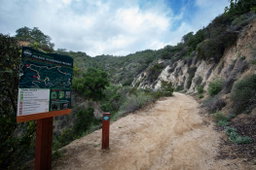
Entry Sign

Overview

As long as I’ve lived in Monrovia, Canyon Park has been closed more days than not. First the massive Bobcat Fire washed through, making hillsides unstable and subject to mudslides. Then, more recently, winds knocked down trees, blocking roads and pathways.

Around the corner, however, this wilderness preserve has remained open. It’s a simple winding walk frequented by locals, many out for a regular walk.
The place

The winding path is always wide and never excessively steep or challenging. Since I bring my four-year-old son with me, the risks here are very low compared with many other hikes we go on. There are some steep hillsides, but the path is always wide enough that I don’t have to hold his hand to keep him safe.  
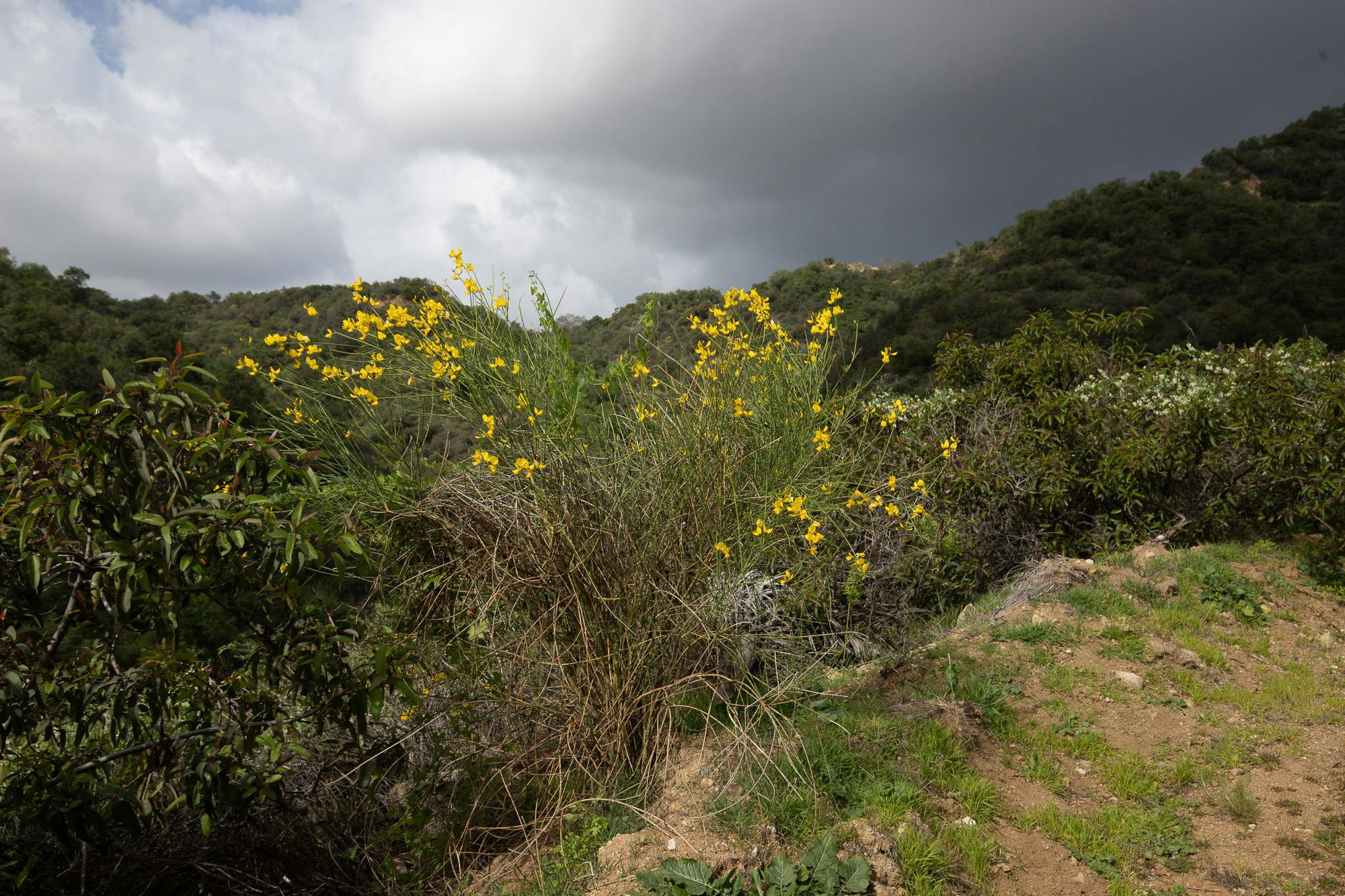
Genista hispanica (Spanish Broom)
I might be wrong about which broom plant this is, as there are numerous species found in our hillside. Broom are a problematic invasive species. Their stems are hollow and straw-like. They become very dry in the summer and burn easily and hot.

What to see

Some of the native plants that stood out on this hike were the scrub oaks and coast live oaks, laurel sumac, wild cucumber, and poison oak, which was growing out of rock in many places.

Several wildflowers were just starting to bloom: lupine, California four o’clocks, and wallflower. There was also the typical amount of sagebrush and buckwheat, all looking beautiful in the March seasonal climate.

Field notes

There were a lot of invasive plants on this hike: a lot of Spanish broom in bloom, some tobacco tree, black mustard, and a lot of fountain grass.

Our most recent visit occurred in March on an almost rainy day, and it was very pleasant. On a sunny day, the experience would be different because there are not many shade trees over the path.

Native plants

Native plants observed included scrub oak, coast live oak, laurel sumac, wild cucumber, poison oak, lupine, California four o’clocks, wallflower, California sagebrush, California buckwheat, white sage, dodder, hollyleaf redberry, Pacific pea, and chaparral yucca. Poison oak was especially noticeable growing directly out of rock in several places.
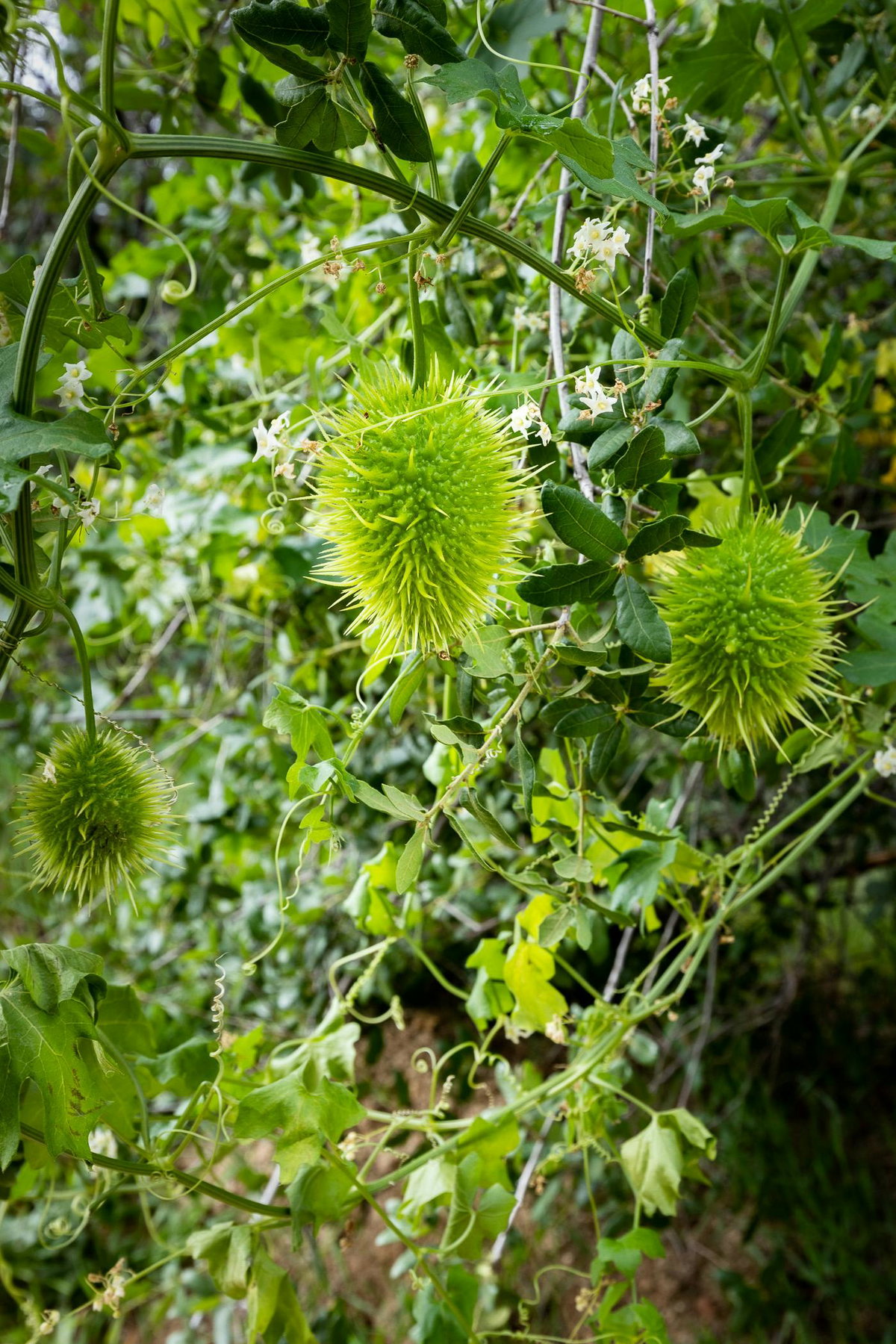
Marah macrocarpa "The Cucamonga Manroot" or "Bigroot"
This member of the cucumber family is found throughout Southern California and into Baja Mexico. It is unmissable if you do any hiking in our mountains right now. It really takes off in late winter and spreads over everything.
If you look around where these are growing, you can usually find some old dried-up ones. Wet them to soften the spines and then pull them out. What you are left with is a spongy fiber that can be used just like a loofah.
The tubers produce saponins, which are compounds that will suds up when mixed with water. In other words, this plant produces a sponge and soap!
These suds have been used by indigenous people to stun fish. The suds get into the gills and poison the fish. (This form of fishing is illegal today).

Wildlife

There are bears and mountain lions in the area, but this is a populated hike and the chances of running into them are quite slim. Bears do occasionally come down into the residential neighborhood, so they are definitely around. There are also rattlesnakes.

Visiting with kids

The wide path and gentle grade make this one of the lower-risk hikes I’ve taken with my four-year-old son. Although there are steep hillsides, the trail is wide enough that I did not need to hold his hand simply to keep him safe.

Before you go

The biggest danger here, in my opinion, is the sun. There are not many shade trees over the path, so on a sunny day you will have little escape.

The entrance described here is on Ridgeside Drive in a residential neighborhood, through what feels like a driveway easement. Streets near the entrance have signs warning that a residential or guest permit is required for parking, so you should park several blocks away.

To get there, head north on North Canyon Boulevard as if heading to Monrovia Canyon Park. A few hundred feet before the park entrance, turn left on Ridgeside Drive. Look for a bright orange sign on one driveway warning that it is not the hiking trail; the next driveway is the trail entrance.

Photos

Revisit the gallery with the place details in mind.

View gallery

Location

Route for Monrovia Hillside Preserve

Monrovia, Los Angeles

View map