MySoCalGarden

Southern California plants, places, and growing

Find places to visit, learn the plants and ecological relationships that shape them, and bring those observations home to your own garden.

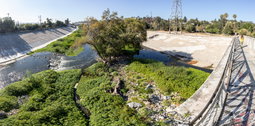
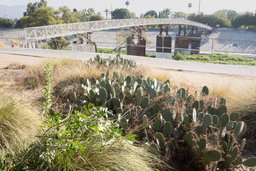
The LA River view from pedestrian bridge to Sunnynook Park.

Garden Guide

Places to visit

Gardens, trails, waterways, and public landscapes to experience through their plants, habitat, history, and design.

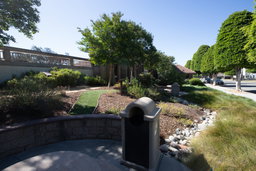
Garden Seating and Dry Creek Bed

Demonstration Garden · Glendora

Glendora Demonstration Garden

The demonstration garden beside Glendora Public Library says something about Glendora. It is small, but it occupies meaningful space in the center of the city’s public life, surrounded by the library, City Hall, the police headquarters, the Armed Forces Memorial, and the civic plaza. Municipal demonstration gardens usually have to carry several messages at once. They are meant to teach, but they also have to offer choices: native plants, shade planting, habitat, lawn alternatives, groundcovers, irrigation ideas, drought-tolerant ornamentals, and a place to sit. Glendora compresses those ideas into a compact landscape that people actually pass through and use. A low mass of silvery foliage demonstrates how drought-tolerant groundcover can soften the edge of a civic walkway.
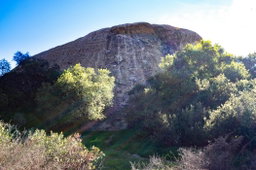
Canyon Landscape Above the Trail

Trail · Azusa

Azusa Canyon Trail

Azusa Canyon Trail begins at the developed entrance to San Gabriel Canyon, where the river, the city of Azusa, and the steep front wall of the San Gabriel Mountains meet. Official descriptions generally call the site Azusa Wilderness Park or River Wilderness Park. From the Hilda L. Solis River Outlook, a roughly one-mile route follows North Old San Gabriel Canyon Road beside the river, making a two-mile round trip. The walk is modest, but the setting gives it more significance than its mileage suggests. This is one of the clearest places to experience the transition from the built San Gabriel Valley into the mountain watershed that supplies and shapes it. Throughout much of the route, the river remains visible below or beside the road while canyon walls control the light, shade, vegetation, and sense of enclosure. The river curves through the canyon below San Gabriel Canyon Road, emphasizing the narrow corridor shared by water, vegetation, and transportation. The trailhead includes a visitor center, public-agency offices, a picnic area, native landscaping, parking, and the river overlook. Some of the visitor infrastructure still feels incomplete or lightly used, particularly on a weekday, but there is evident public investment in turning the canyon entrance into a welcoming and interpretable place.

Mature Manzanita Trunks

Botanic Garden · Claremont

California Botanic Garden

California Botanic Garden is the largest botanic garden devoted exclusively to California native plants. Its 86 acres contain more than 22,000 living plants representing approximately 1,170 taxa, with collections ranging from mature woodland trees and chaparral shrubs to desert plants, native succulents, rare species, and garden-scale compositions. This is not a compact demonstration garden that can be understood in fifteen minutes. It is a large, walkable landscape where visitors can compare individual species, see what native plants become at maturity, and move through planted environments representing different parts of California. It is worth making a special trip, particularly for gardeners, photographers, naturalists, and anyone trying to move beyond the vague category of drought-tolerant landscaping toward a more ecological understanding of Southern California gardens. A mature native tree creates a cool woodland room beneath its spreading canopy. The leaf litter and layered understory contrast with the garden’s more exposed chaparral and desert landscapes.

Explore the Garden Guide

From the field

Recent field notes

Visits and photo essays connecting plants with water, habitat, history, and ordinary public landscapes.

View all field notes

At home

Grow with this place

Gardening advice grounded in Southern California rather than generic rules.

Practical growing guides